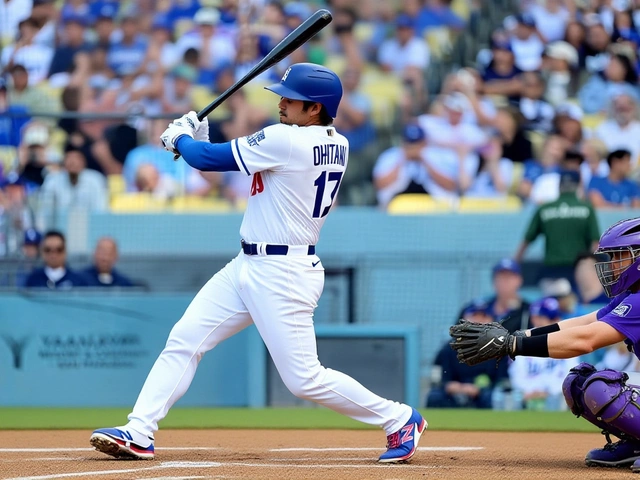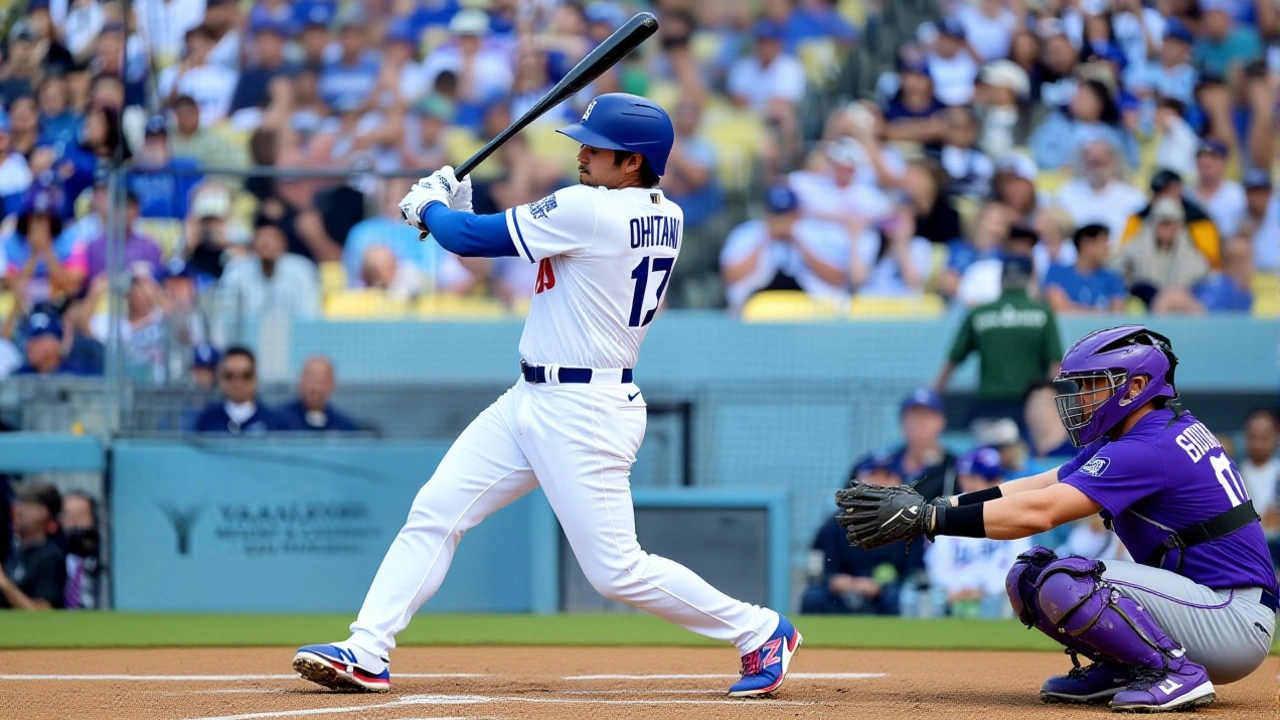
When Freddie Freeman, first baseman for the Los Angeles Dodgers, stepped up to the plate in the bottom of the seventh inning, the game was already on the brink. The crowd at Dodger Stadium held its breath as the Colorado Rockies threatened to hold their lead. Instead, Freeman delivered a crushing double that drove in the go-ahead run, igniting a four-run explosion that turned a tight contest into a decisive 5-3 victory for Los Angeles.
It was a classic late-inning surge—the kind that defines playoff-caliber teams. Here’s the thing: this wasn’t just any win. It was the series opener against a Rockies team that had managed to stay competitive deep into the night. By breaking the deadlock with exactly two outs looming, Freeman didn’t just change the score; he shifted the entire momentum of the matchup.
The Seventh-Inning Surge
The details of the rally are striking in their efficiency. Before the seventh inning began, the Dodgers were either trailing or tied, facing the pressure of a must-score situation. According to reports from ABC News and aggregated summaries by Ground News, the offensive outburst produced exactly four runs in that single frame. That’s not just luck; it’s execution under fire.
Freeman’s double was the centerpiece, but he wasn’t acting alone. Outfielder Andy Pages played a crucial supporting role, knocking an RBI single earlier in the sequence. Video highlights posted on the official Dodgers website show Pages’ hit being uploaded at 11:25 PM Eastern Daylight Time, followed shortly by Freeman’s go-ahead double at 11:34 PM EDT. The timing suggests a rapid-fire sequence where every swing mattered.
Turns out, the difference between a loss and a win often comes down to who steps up when the bases are loaded or runners are in scoring position. In this case, it was Freeman, a veteran known for his clutch hitting, who delivered the blow that put Los Angeles ahead for good.
Context of the Series Opener
This game took place on Monday night, May 26, 2026, marking the first contest in a multi-game series between the Dodgers and the Rockies. Winning the opener is significant—it sets the psychological tone for the rest of the set. For the Dodgers, taking Game 1 away in such dramatic fashion sends a clear message to their rivals: they’re ready for a long season.
The Rockies, meanwhile, faced a tough reality check. Holding a lead or tie into the seventh inning only to surrender four runs is a painful lesson in bullpen management and situational pitching. While the specific pitchers involved weren’t detailed in the initial wire reports, the collapse of the lead underscores the volatility of baseball, especially in high-stakes environments like Dodger Stadium.
Broader Implications for the Season
Why does this matter beyond the box score? Because consistency in close games separates good teams from great ones. The Dodgers have built a reputation on resilience, and this performance reinforces that identity. With Freeman continuing to perform at an elite level, the lineup remains one of the most dangerous in Major League Baseball.
For the Rockies, this loss highlights areas needing improvement. Whether it’s defensive positioning, pitching depth, or timely hitting, the margin for error shrinks as the season progresses. A 5-3 defeat after leading or tying late in the game is a scenario no manager wants to revisit.
What’s Next?
With the series opener concluded, attention now shifts to the remaining games between these two clubs. Both teams will need to adjust strategies based on what worked—and what didn’t—in this contest. Expect the Rockies to make pitching changes and perhaps tweak their approach against Freeman and the heart of the Dodgers’ order.
Fans should watch closely for how both bullpens handle high-leverage situations. If the Dodgers can replicate this level of offensive production without relying solely on home runs, they’ll remain formidable contenders. Meanwhile, the Rockies must find ways to protect leads once they have them.
Background Deep Dive
Freddie Freeman has been a cornerstone of the Dodgers’ offense since joining the team. His ability to drive in runs with extra-base hits makes him particularly valuable in tight games. This performance aligns with his career trajectory—a player who thrives under pressure and delivers when it counts.
Andy Pages, though less heralded than Freeman, demonstrated why depth matters in a lineup. His RBI single provided early insurance runs, setting the stage for Freeman’s heroics. Together, they exemplify the balanced attack that keeps opponents guessing.
The rivalry between the Dodgers and Rockies may not carry the same historical weight as some other matchups, but within the National League West, every game carries significance. This particular contest served as a reminder of the unpredictability inherent in baseball—one inning can completely rewrite the narrative.
Frequently Asked Questions
Who drove in the go-ahead run for the Dodgers?
Freddie Freeman doubled in the go-ahead run during the fourth-run seventh inning. His hit proved pivotal in shifting momentum toward Los Angeles, ultimately securing the 5-3 victory over the Colorado Rockies.
What was the final score of the game?
The final score was 5-3 in favor of the Los Angeles Dodgers. They scored four runs in the seventh inning to overcome a deficit or tie, demonstrating strong offensive execution in critical moments.
Did anyone else contribute significantly to the Dodgers' offense?
Yes, outfielder Andy Pages contributed an RBI single during the same inning. His hit helped build the foundation for the eventual rally, showcasing the team’s depth beyond star players like Freeman.
Where did the game take place?
The game was played at Dodger Stadium in Los Angeles, California. As the home venue for the Dodgers, the stadium atmosphere likely fueled the team’s energy during the crucial seventh-inning comeback.
Was this part of a larger series?
Yes, this was the series opener between the Dodgers and Rockies. Additional games were scheduled to follow, making this result important for establishing early dominance in the multi-game set.
How many runs did the Dodgers score in the seventh inning?
The Dodgers scored four runs in the seventh inning. This sudden burst allowed them to take control of the game and secure the win, highlighting their ability to capitalize on key opportunities.